
Dry Ice Blasting
When industrial equipment and surfaces need a deeper clean without costly downtime, you need a solution that’s fast, effective, and reliable. Our dry ice blasting service delivers powerful results for tough environments, helping restore performance, extend equipment life, and keep your operations running at peak efficiency.
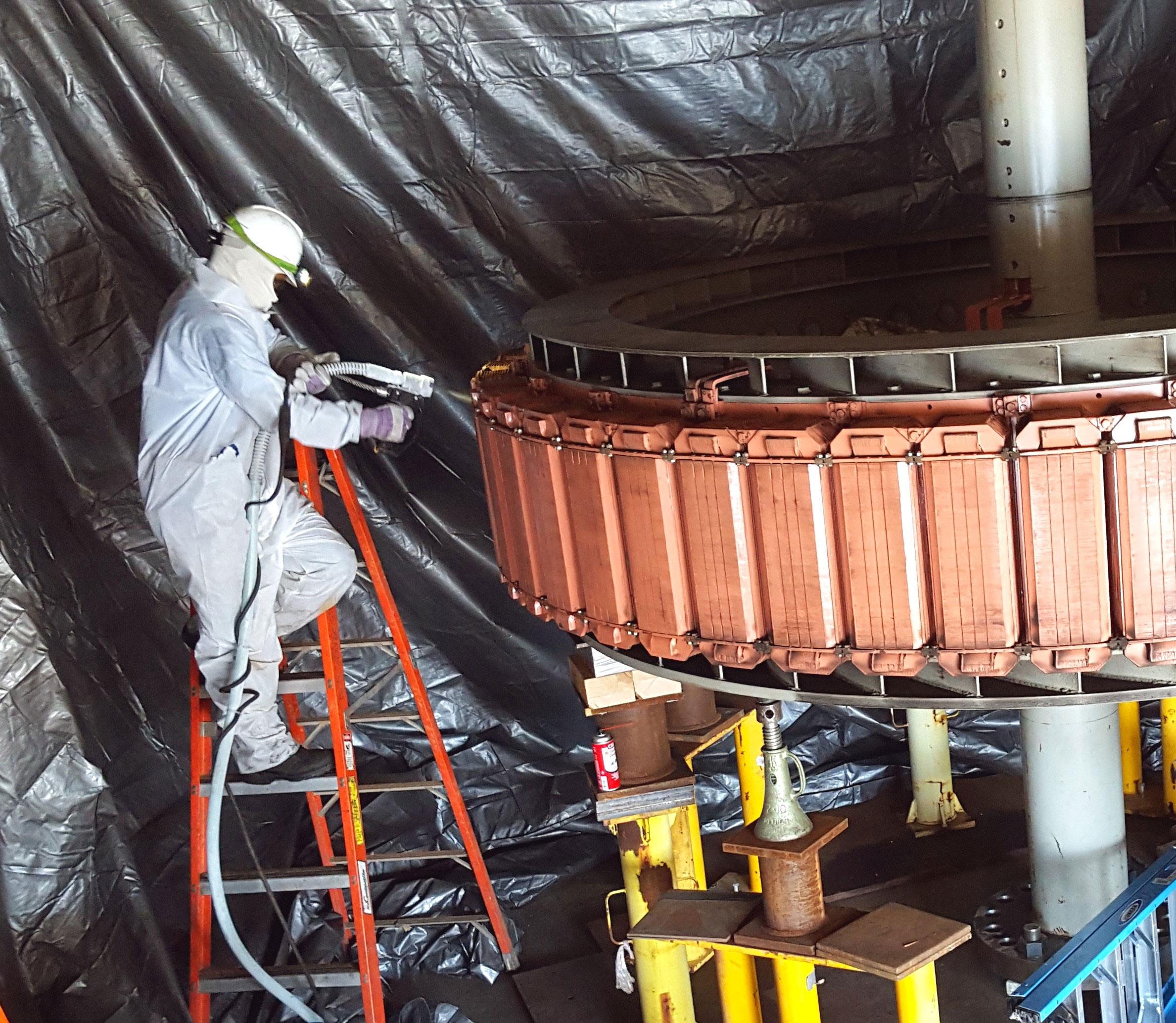
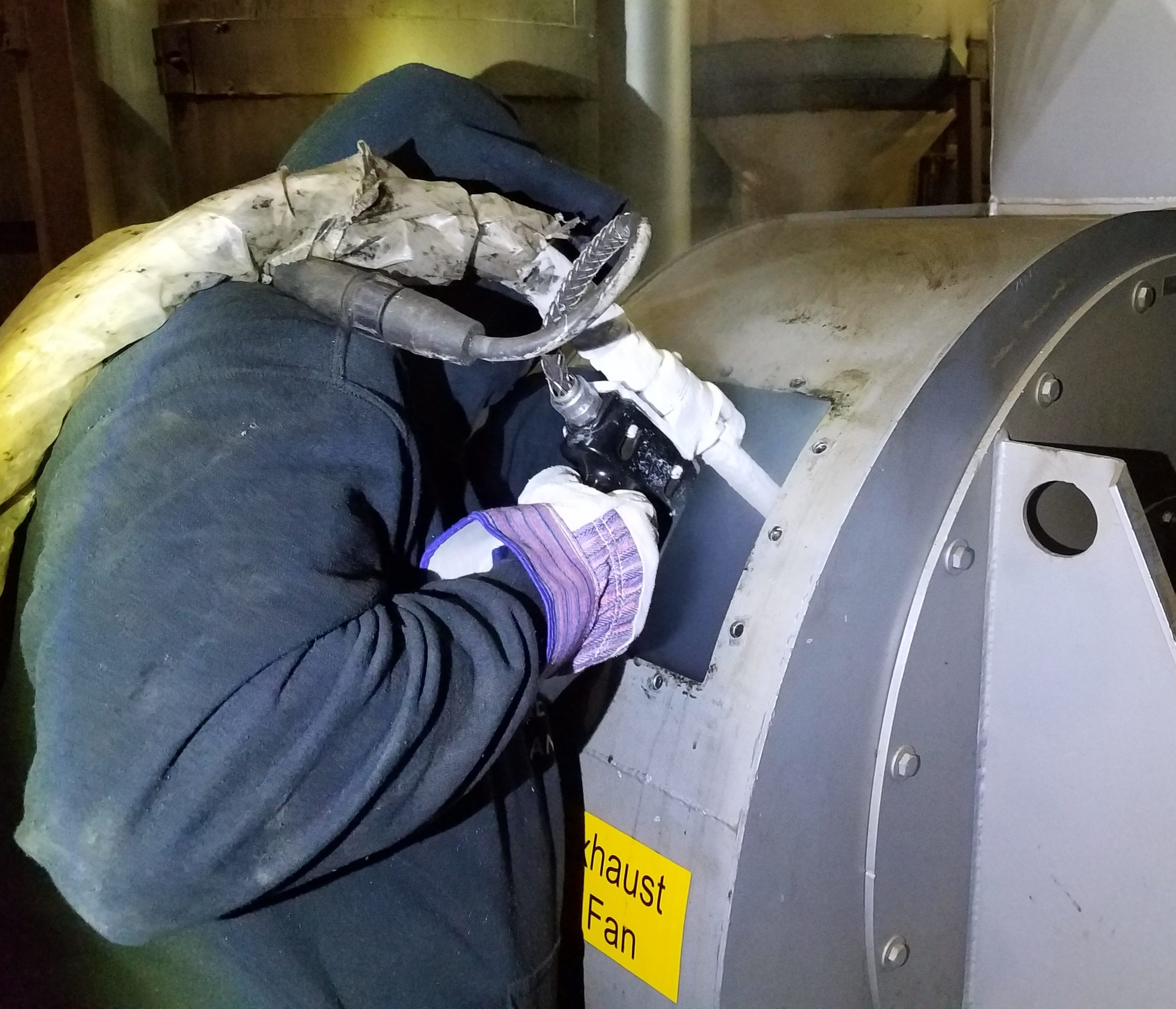
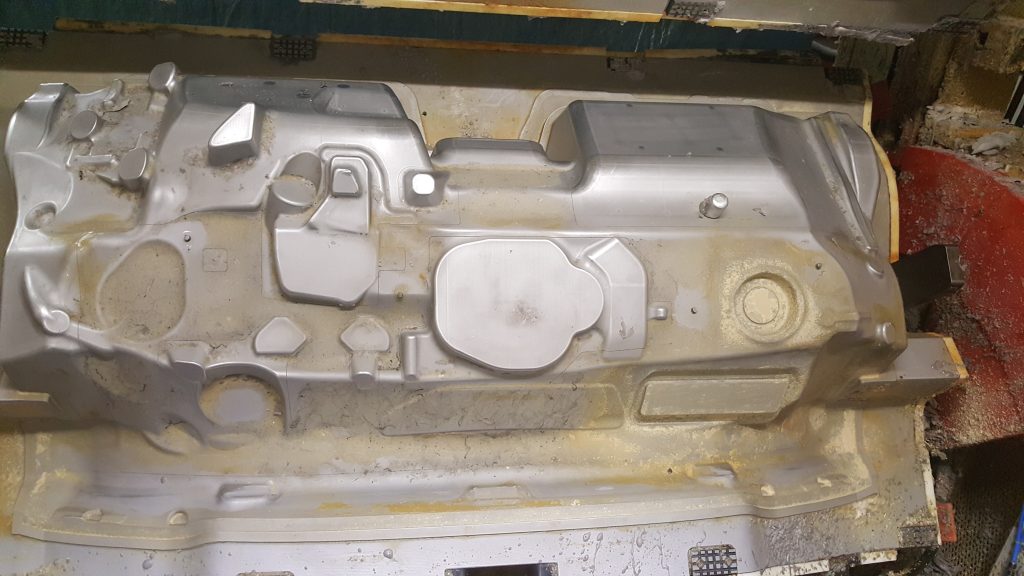
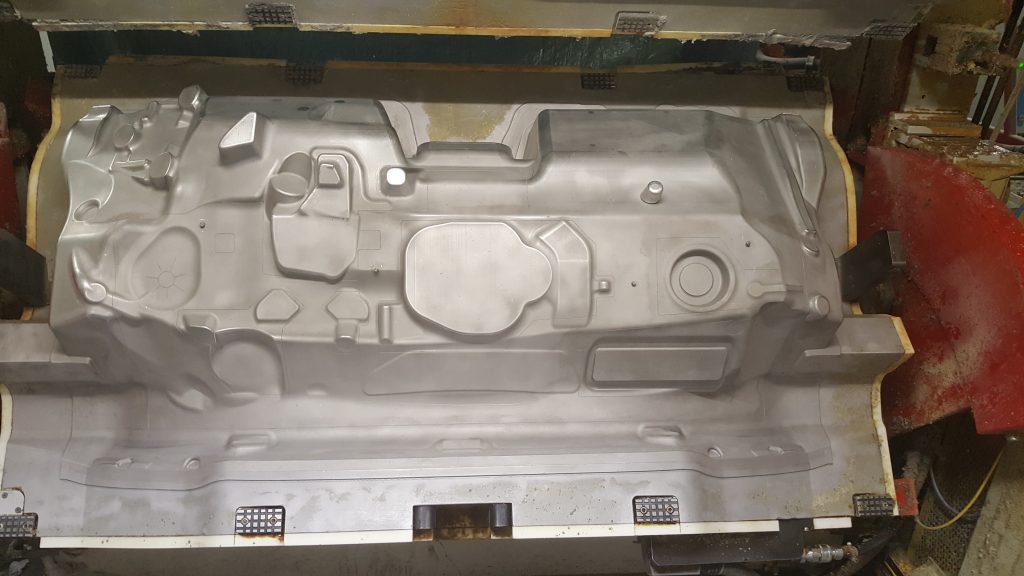
What is Dry Ice Blasting?
Dry ice blasting is like sand blasting in that a medium is accelerated in a pressurized air stream to impact a surface to be cleaned. With dry ice blasting, there is no secondary waste, unlike soda blasting and sand blasting. Dry ice blasting is a zero-added-waste form of cleaning. C02 is a non-toxic element, which has been approved for industry use by the EPA, FDA, and USDA.
How Does Dry Ice Blasting Work?
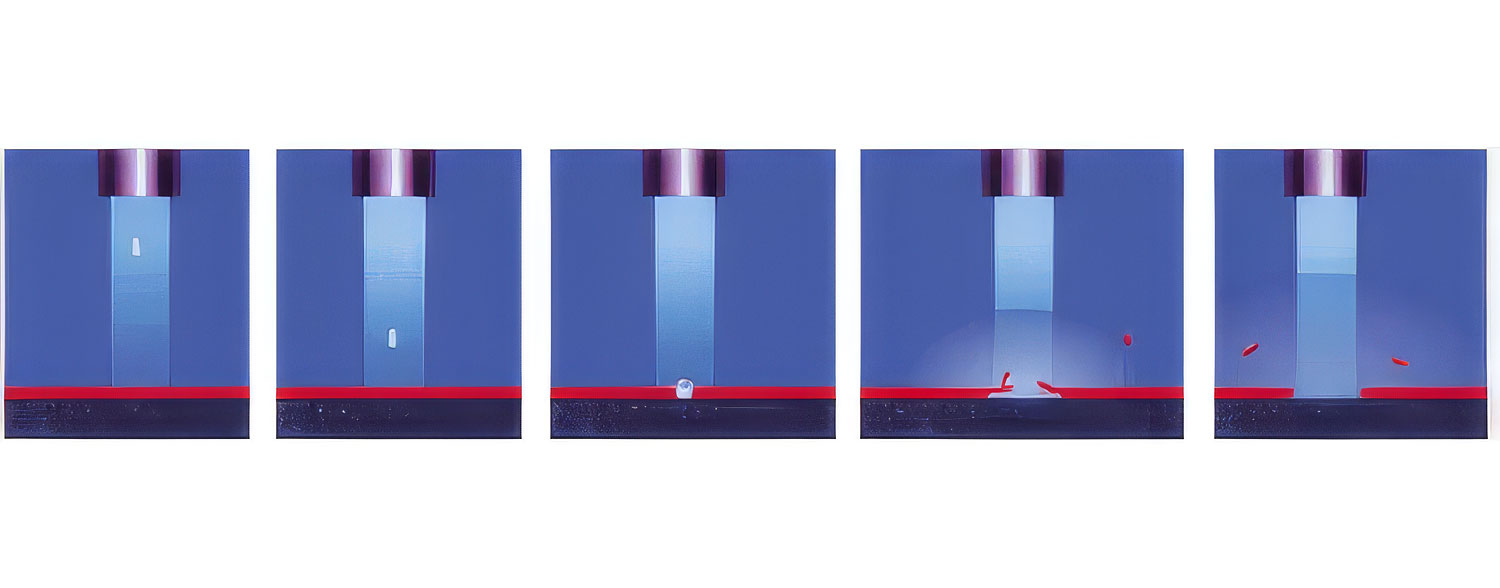
Dry Ice Blasting works because of three primary factors: pellet kinetic energy, thermal shock effect and thermal-kinetic effect. As with other blast media, the kinetic energy associated with dry ice blasting is a function of the particle mass density and impact velocity. Since dry ice particles have a relatively low hardness, the process relies on high particle velocities to achieve the needed impact energy. The high particle velocities are the result of supersonic propellant or air stream velocities. Even at high impact velocities and direct “head-on” impact angles, the kinetic effect of solid dry ice particles is minimal when compared to other media (glass, sand, plastic bead, etc.). This is due to the relative lack of hardness of the dry ice particles and the almost instantaneous phase change to a gas on impact, which effectively provides an almost nonexistent coefficient of restitution in the impact equation
Why Dry Ice?
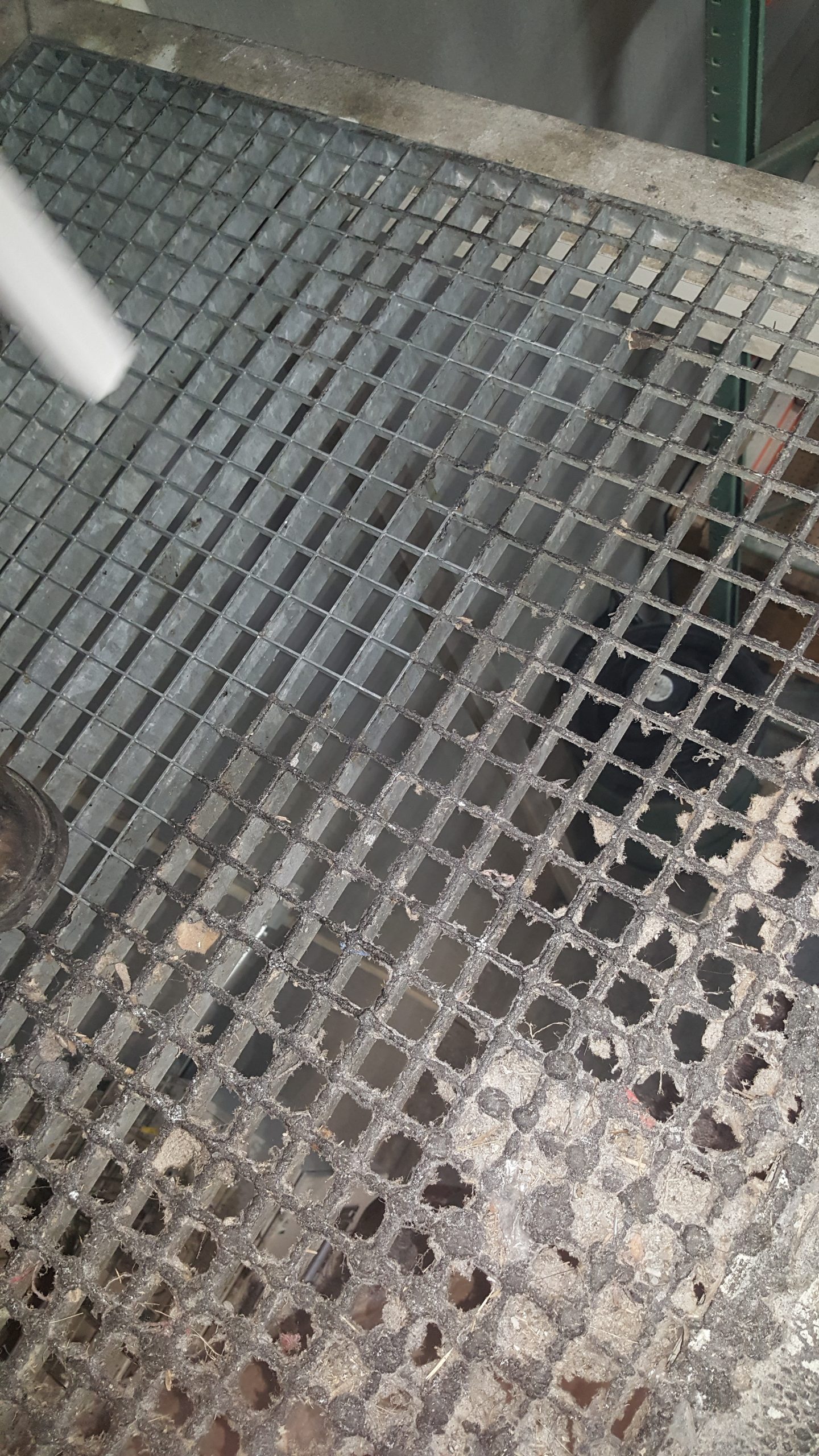
Unlike other blast media, dry ice particles have a very low temperature: -109°. This low temperature gives the dry ice blasting process unique thermodynamically induced surface mechanisms that affect the coating or contaminant to greater or lesser degree, depending on the coating type.
Because of the temperature differential between the dry ice particles and the surface being cleaned, thermal shock can occur. As the material temperature decreases, it becomes embrittled, enabling the particle impact to break-up the coating.
Applications for Dry Ice Blasting
Asphalt Removal
Exhaust Stack Cleaning
Power Generation
Spray Booth Cleaning
Industrial Mold Cleaning
Industrial Oven Cleaning
General Plant Equipment Cleaning
Powder Coating Chain and Oven Cleaning
Industrial Roaster Cleaning
Platten & Printing Press Cleaning
